 01
1. Paddy Receiving
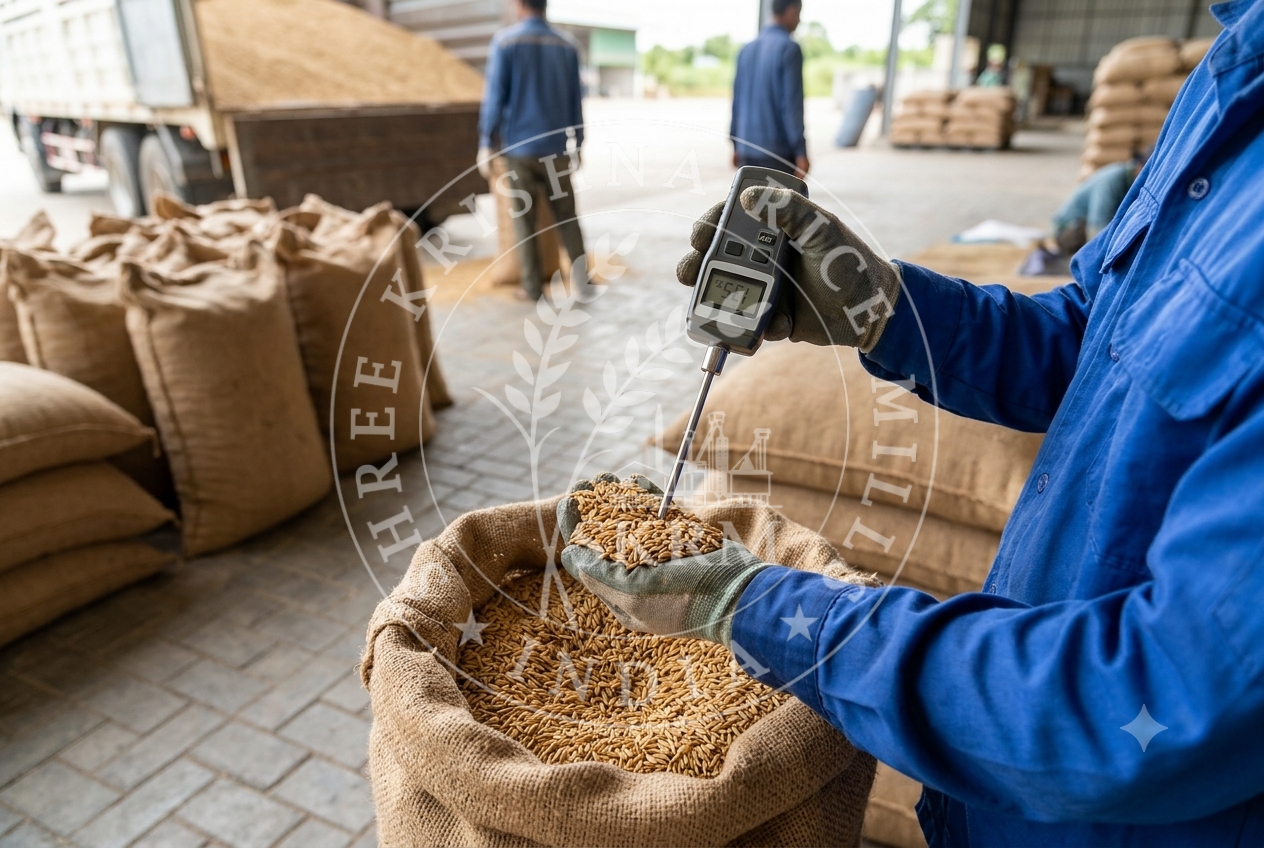
Raw paddy is received and handled systematically according to required variety and production schedules.
Moisture Inspection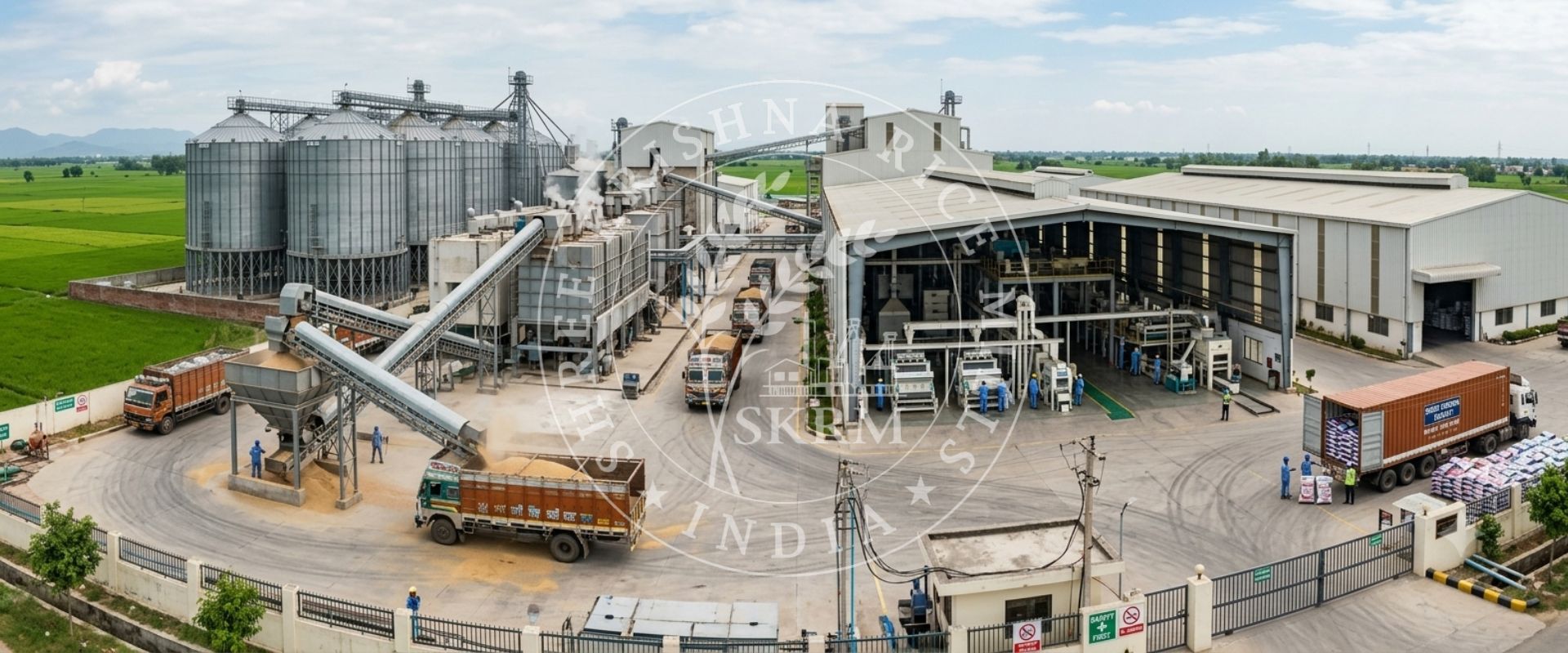
At Shree Krishna Rice Mills, our infrastructure is engineered to manage the complete rice processing cycle — from paddy receiving and milling to quality control, automated packaging, and global export dispatch.
Located in Taraori, Karnal, Haryana, our facility combines automated processing systems, rigid quality-control processes, 25,000 MT storage capacity, and export packing capabilities to support consistent bulk and private-label rice supply.
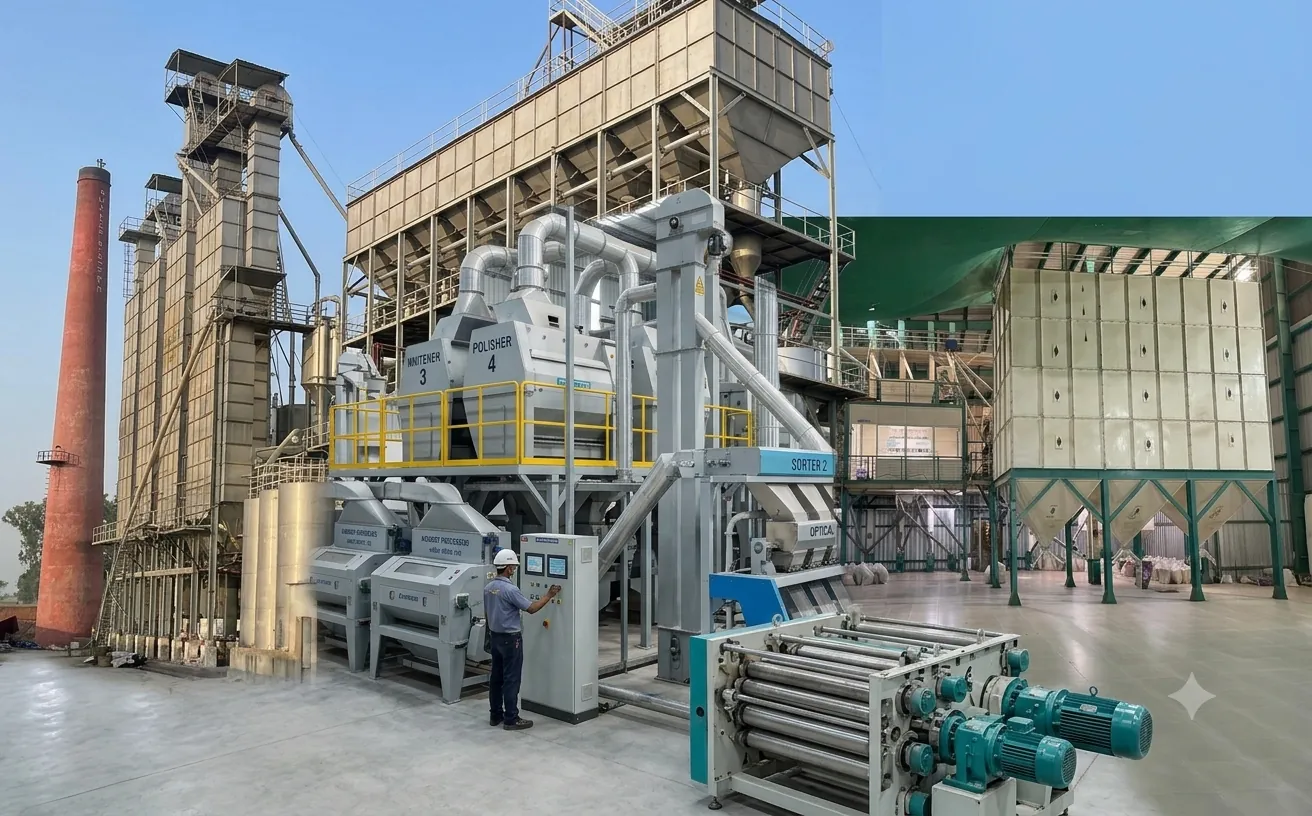
Our three automatic processing units support high-volume production across different rice specifications and processing forms. The setup is specifically engineered for Indian Basmati rice while maintaining precise digital control over every stage.
Production is planned systematically according to required rice variety, processing form (Raw, Steam, Sella, Golden Sella), quality specifications, volume, and customized buyer packaging format.
Taraori, Karnal Facility — Combined capacity ~200 MT/Day
Our integrated infrastructure supports eight distinct processing stages under one manufacturing operation in Taraori, Haryana.
01Raw paddy is received and handled systematically according to required variety and production schedules.
Moisture Inspection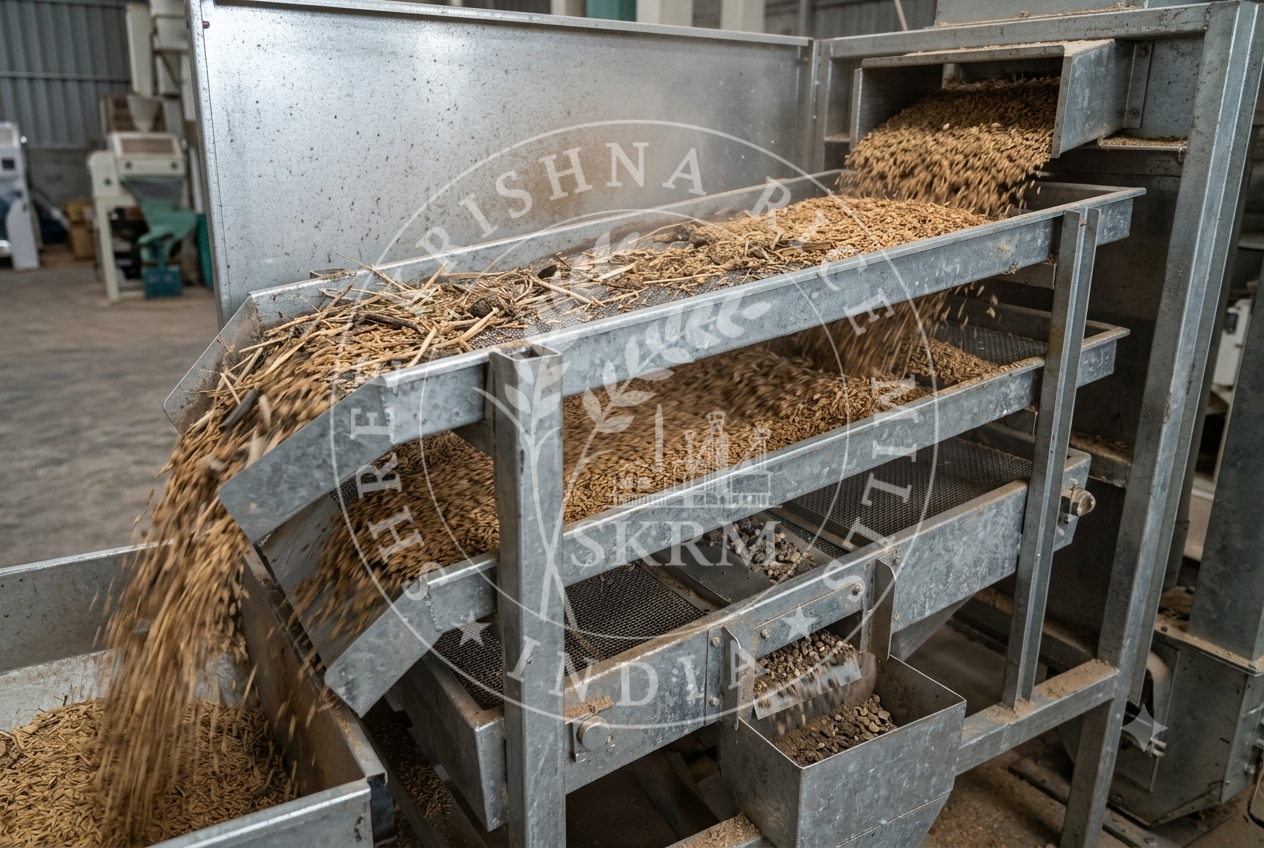 02
Paddy passes through multi-tier cleaners and de-stoners to remove field debris prior to milling.
Heavy De-stoning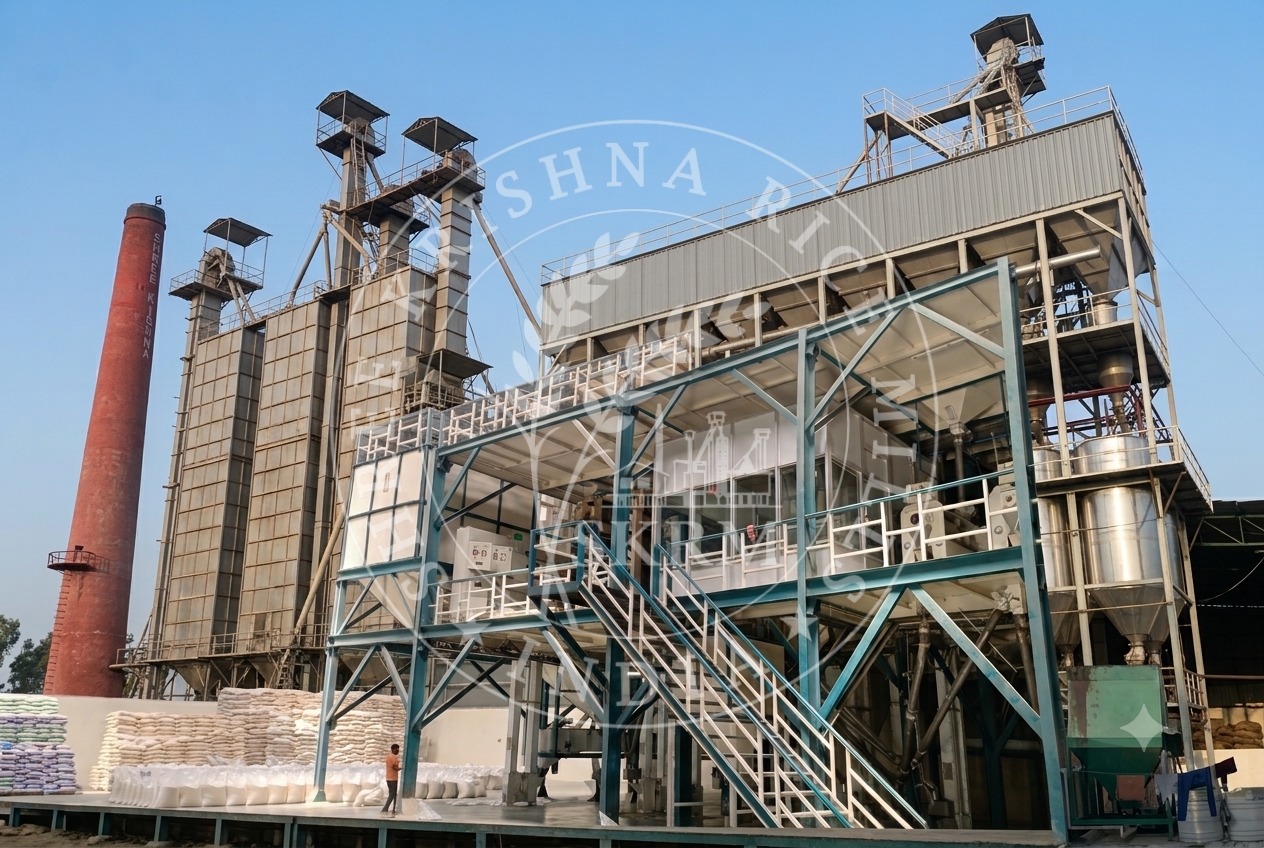 03
Husking and polishing tailored for Raw, Steam, Sella, or Golden Sella specs with minimum breakage.
Rubber Roll De-husking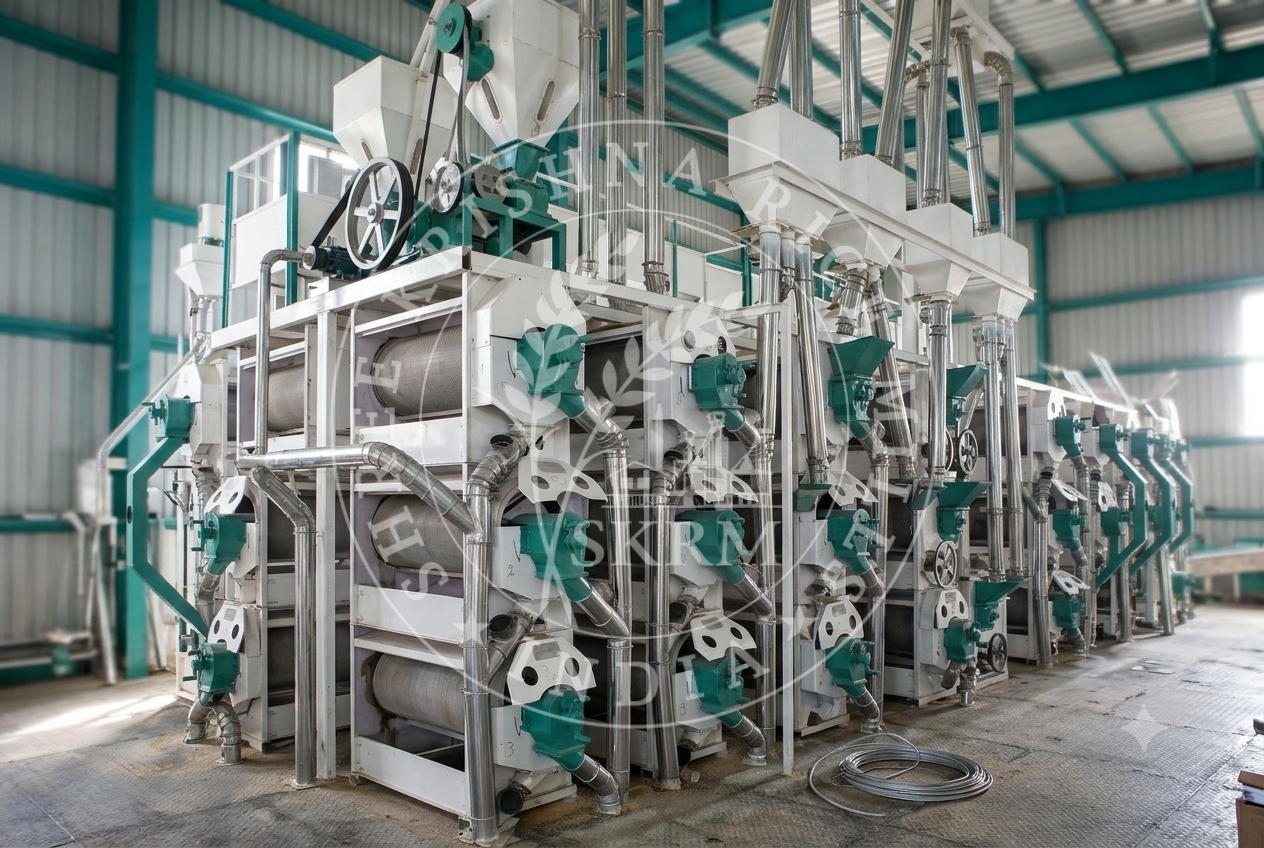 04
Precision sizers separate broken grains from whole extra-long Basmati grains to exact buyer specs.
Indented Cylinder Sizing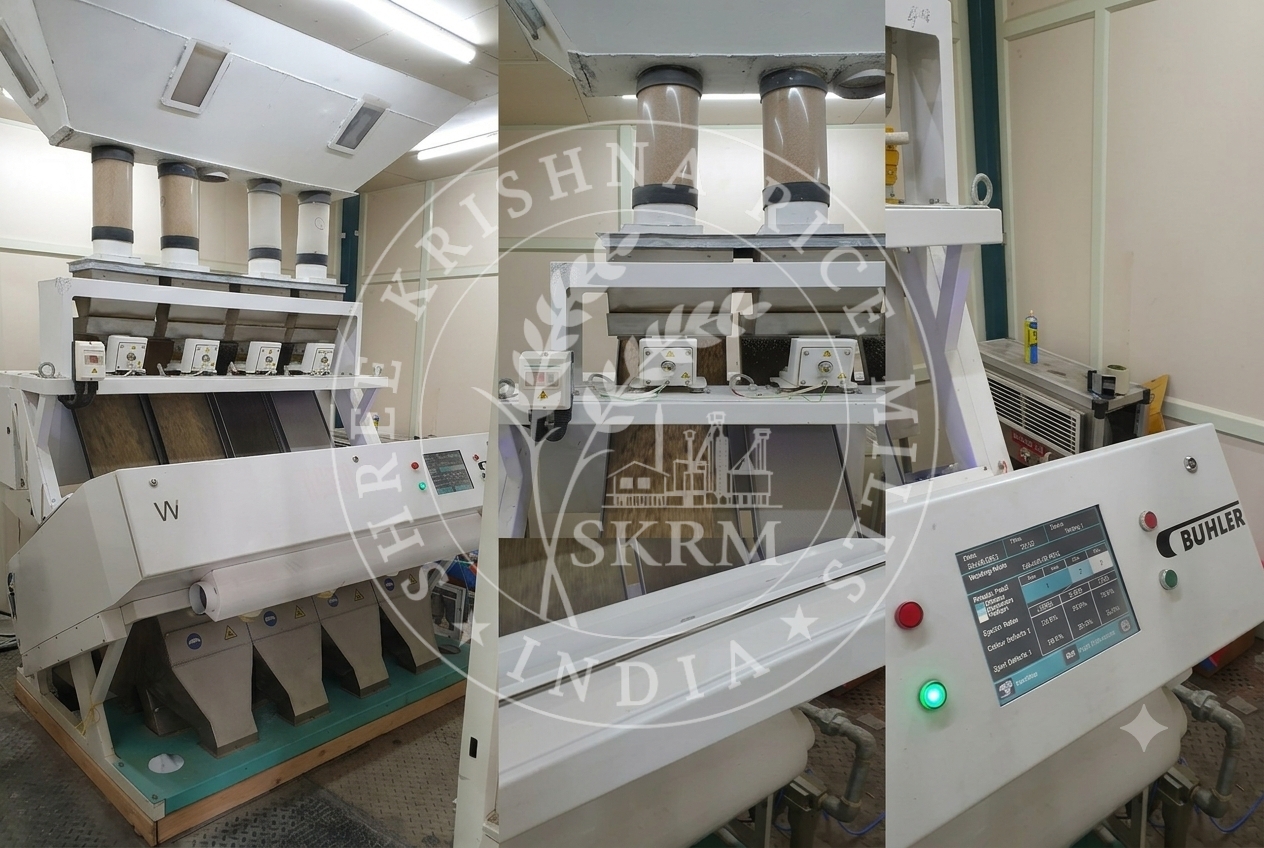 05
High-definition CCD sensors isolate discoloured, chalky, or defective grains in real time.
Optical Sorter Technology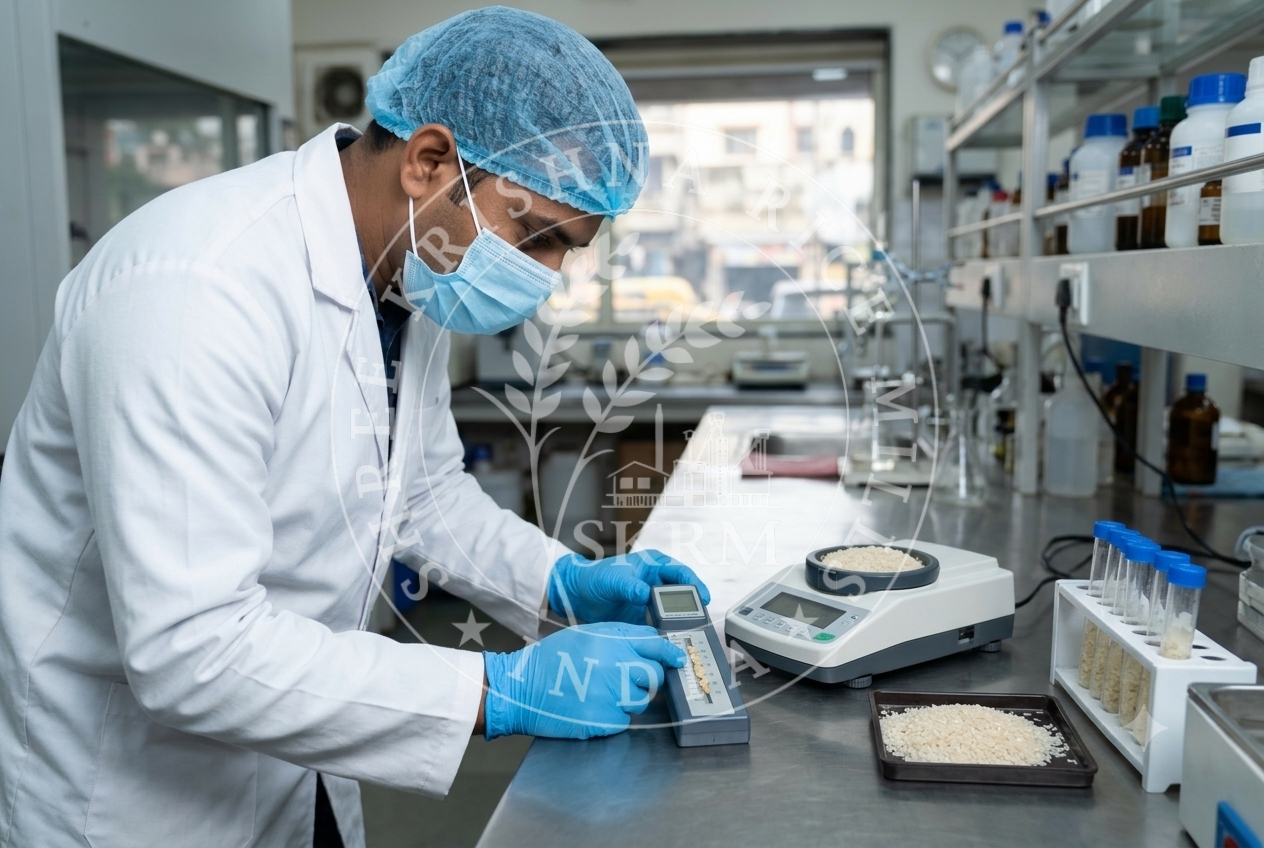 06
Laboratory testing for grain length, moisture content, purity, and cooking performance.
In-House Lab Testing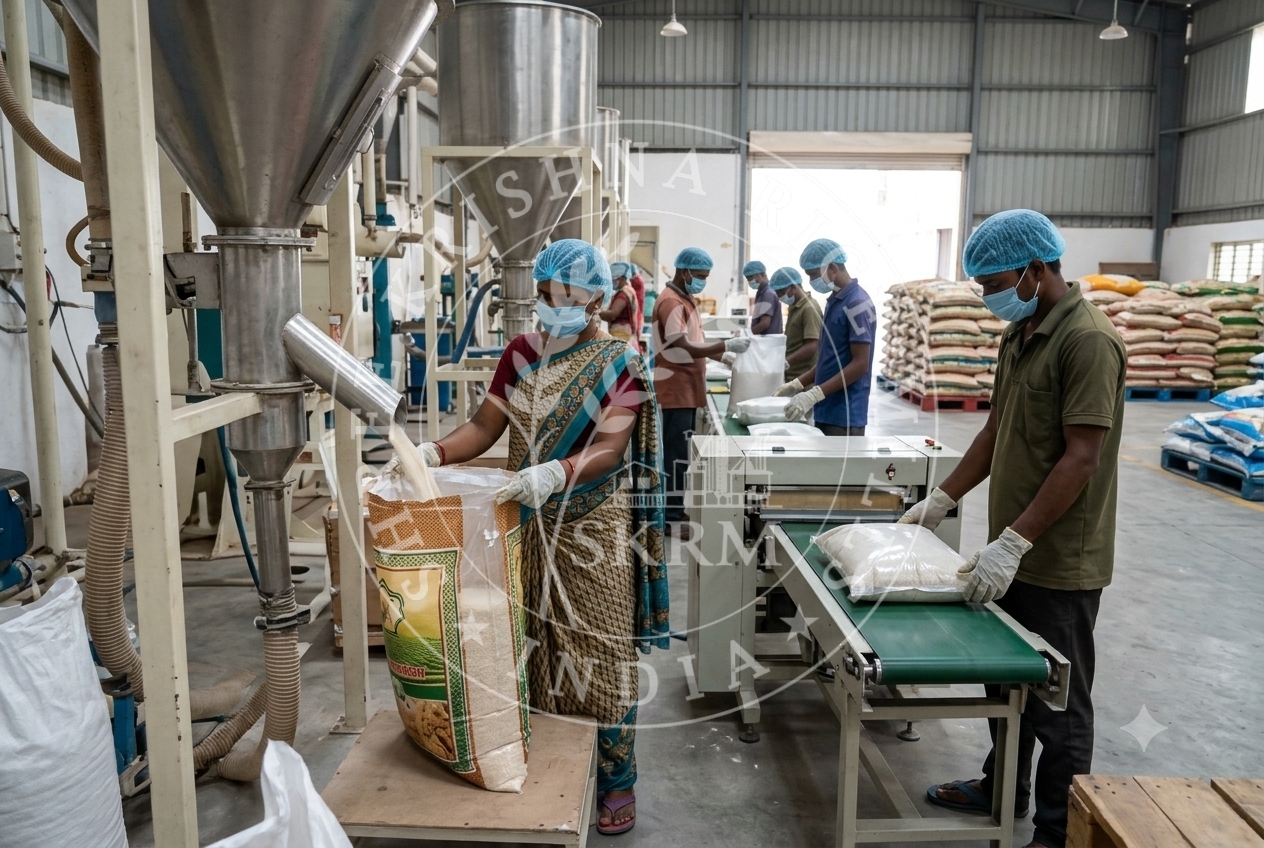 07
Filled and sealed into PP, Non-Woven, Jute, BOPP, or LDPE/HDPE bags from 1kg to 50kg.
Automated Packaging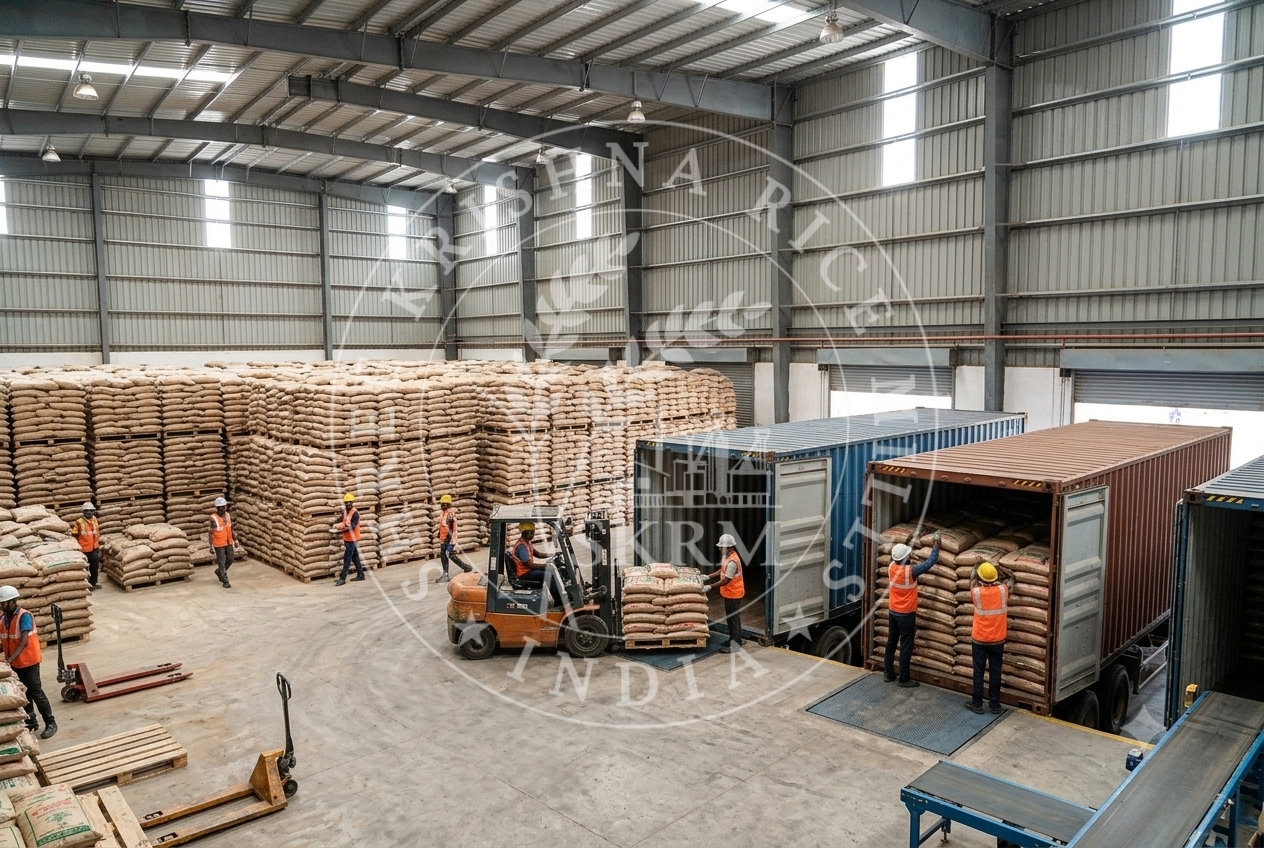 08
Stored in a 25,000 MT warehouse facility and stuffed into export containers for sea dispatch.
Direct Factory StuffingClick through the process stages below to explore how SKRM transforms raw field harvest into export-ready golden grains.
 01Cleaning
Removes straw, dust, weed seeds, and unfilled lightweight paddy grains using air separators.
 02Cleaning
Soaking and steam treatment to lock nutrient content into the starchy kernel before milling.
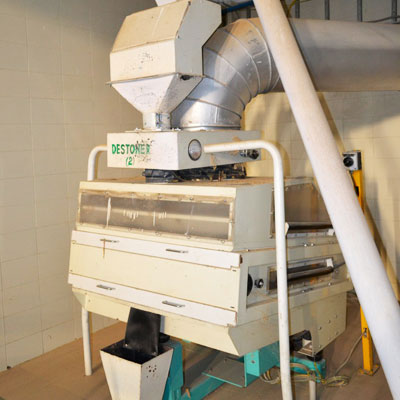
Gravity separators thoroughly eliminate dense stones and heavy foreign material.
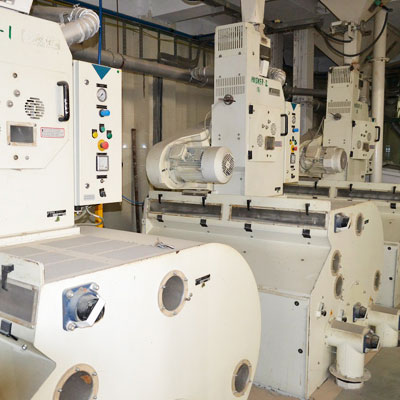
Rubber rolls peel away the outer protective husk layer to yield unpolished brown rice.
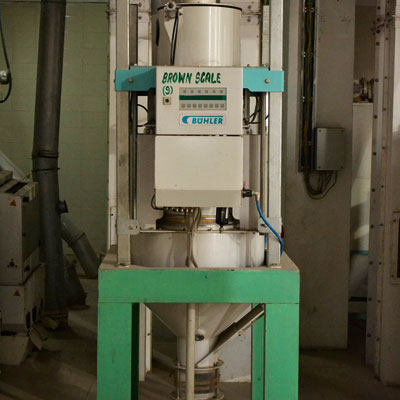
Air suction separates light husk particles from the heavier brown rice kernels.
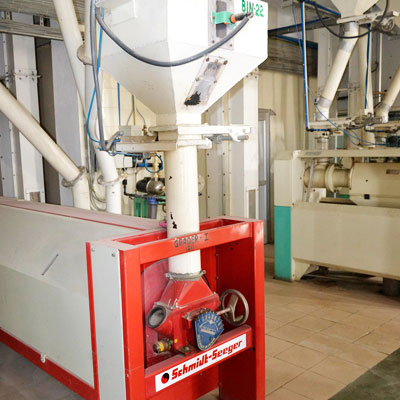
Isolates any remaining unhusked paddy and routes it back for secondary husking.
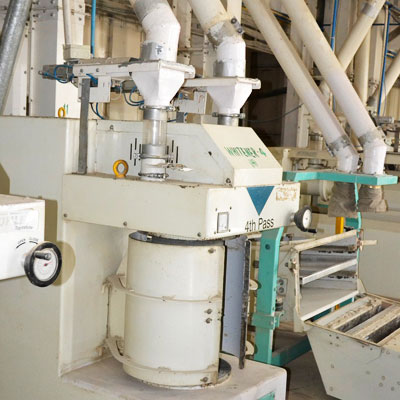 07Milling
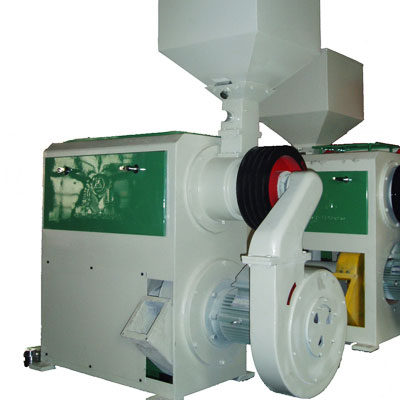
Abrasive machines gently scrub off the outer bran layer and germ from the grain.
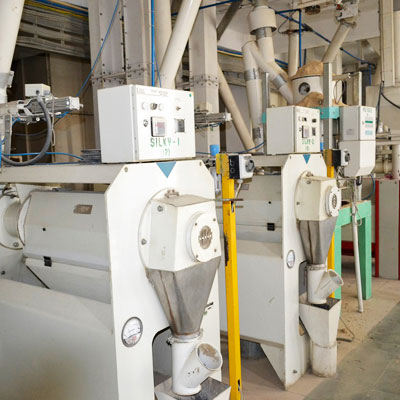 08Finishing
Water polishers smooth kernel exteriors, delivering a shiny, translucent aesthetic.
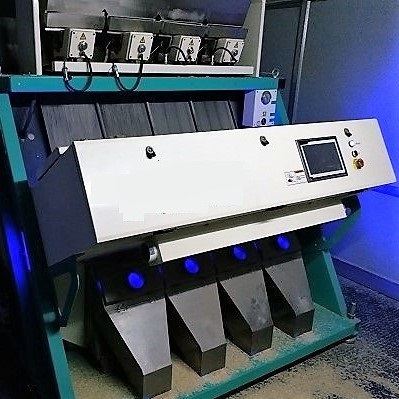 09Finishing
CCD Sortex removes chalky or discolored grains; length sizers separate brokens.
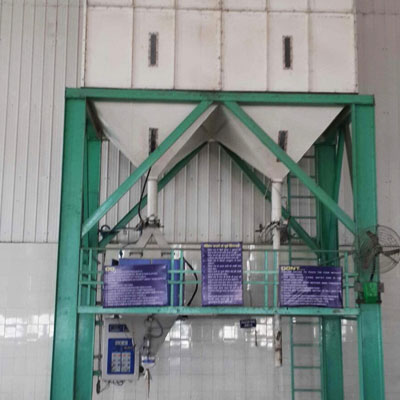 10Finishing
Automatic weighing into customized Non-Woven, BOPP, Jute or PP bags for export.
Aging and proper storage are fundamental to the distinct cooked aroma and non-sticky fluffiness of Basmati rice. Explore our storage facilities below.
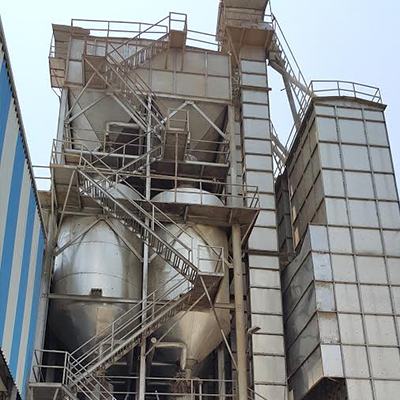
Our high-capacity steel silos protect grain stocks against ambient temperature fluctuations, humidity spikes and pest infestation. Continuous aeration fans keep moisture uniform during extended aging.
Packed rice is stored on pallets in covered, ventilated warehouses, organized by lot and buyer order so containers can be loaded straight from storage.
Bagged paddy and rice are stacked with air channels between rows, with moisture checked on receipt and monitored through the storage period.
Silos, covered warehouses and aerated stacks for raw paddy and finished rice
Rice is available in various forms, each achieved through specific processing and milling techniques. Paddy rice in its raw, unhusked form must be processed to obtain the desired rice form. Our advanced processing infrastructure supports all major market forms of Basmati and Non-Basmati rice, catering to the diverse requirements of global buyers.
| Processing Stage | Raw / White | Steam | White Sella | Golden Sella |
|---|---|---|---|---|
| Pre-cleaning | Applicable | Applicable | Applicable | Applicable |
| Initial Steam Treatment | Not applicable | 2 minutes | 2 minutes | 2 minutes |
| Soaking | Not applicable | Warm water: 4–6 hours | Warm water: 6–8 hours | Hot water: 8–12 hours |
| Additional Steam Treatment | Not applicable | Not applicable | Medium: 10–20 minutes | High: 20–30 minutes |
| Drying | Applicable | Applicable | Applicable | Applicable |
| De-stoning | Applicable | Applicable | Applicable | Applicable |
| Husking | Applicable | Applicable | Applicable | Applicable |
| Paddy Separation | Applicable | Applicable | Applicable | Applicable |
| Polishing | Applicable | Applicable | Applicable | Applicable |
| Silky Finishing | Applicable | Applicable | Applicable | Applicable |
| Optical Sorting | Applicable | Applicable | Applicable | Applicable |
| Grading | Applicable | Applicable | Applicable | Applicable |
| Packing | Applicable | Applicable | Applicable | Applicable |
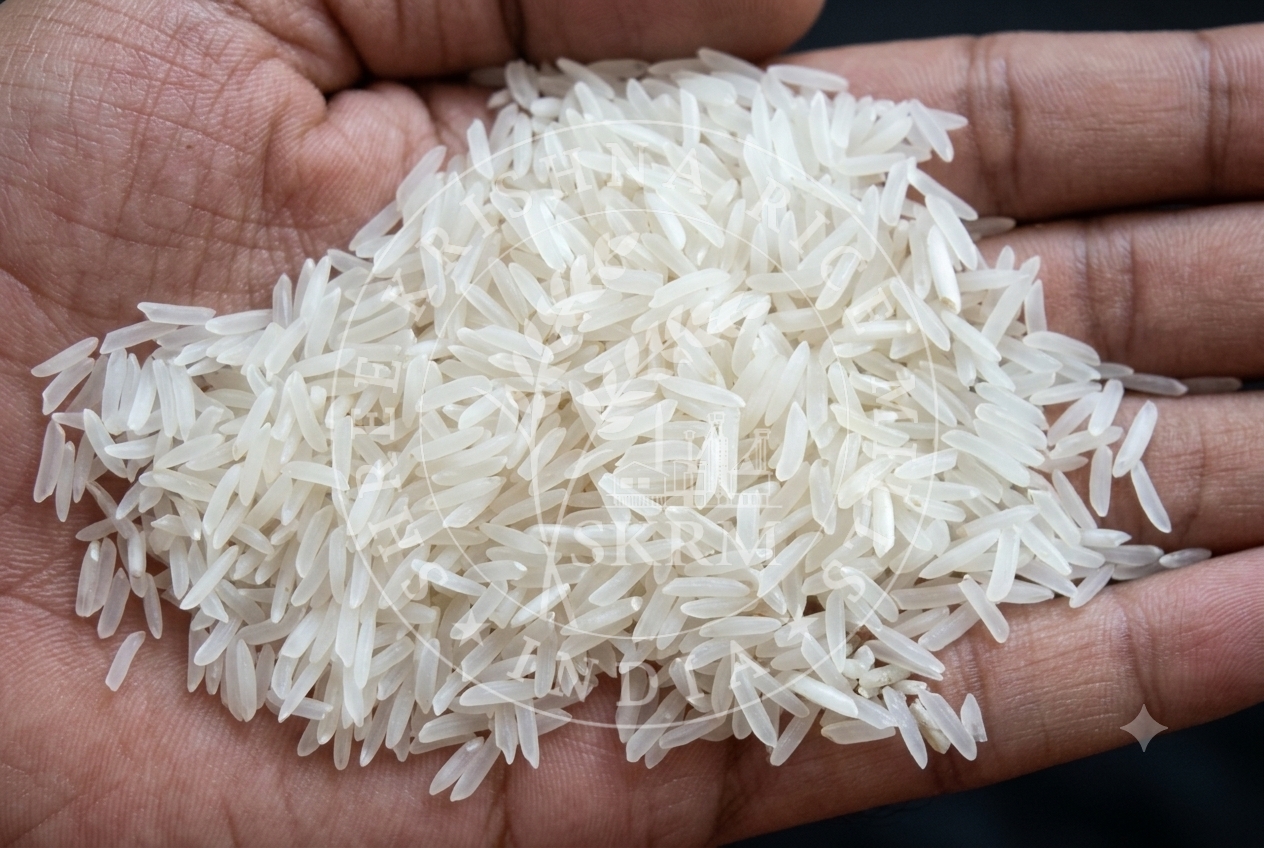
Paddy is dried, de-husked and polished without pre-steaming. This process preserves the natural characteristics and aroma of the rice while producing a clean, milled white grain.
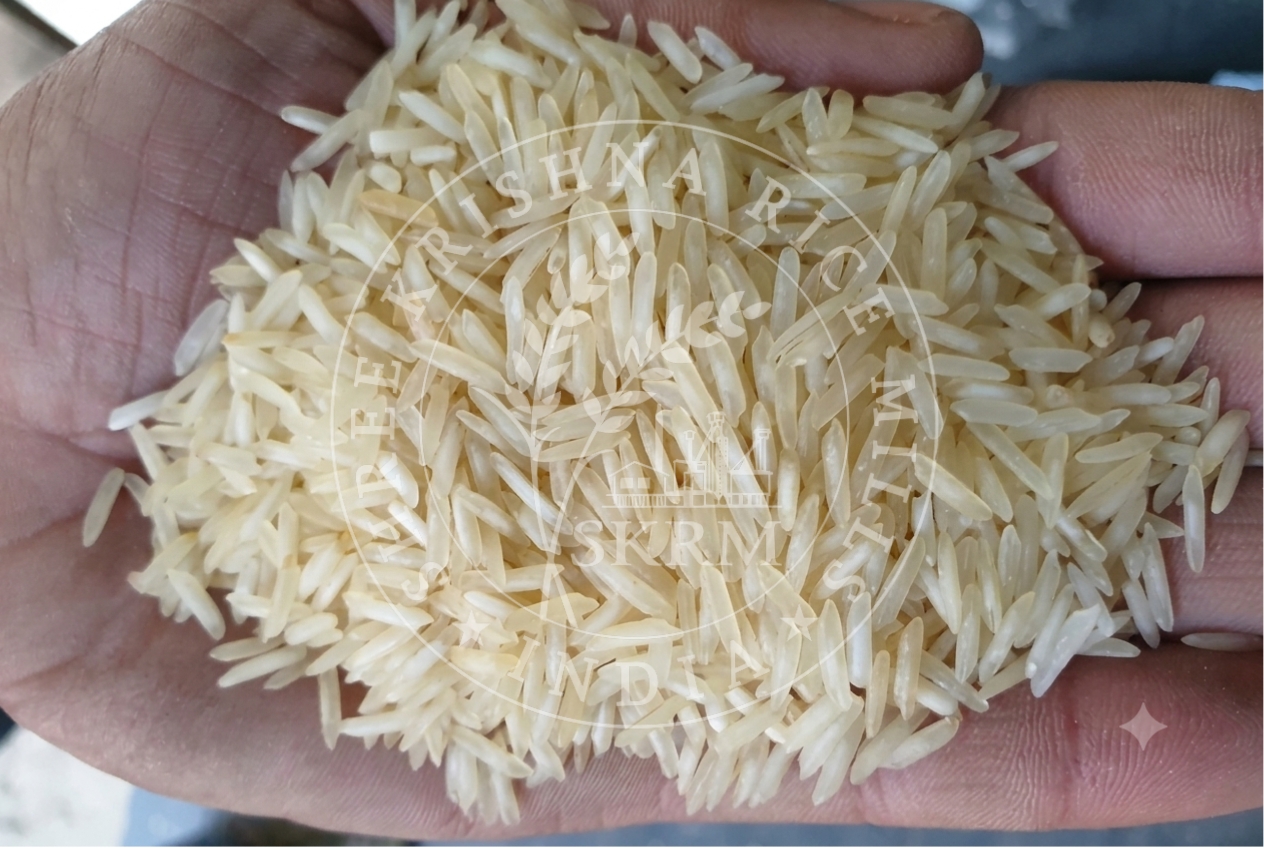
Paddy undergoes a controlled steam treatment before drying and milling. This helps strengthen the grain structure and supports long, separate grains after cooking.
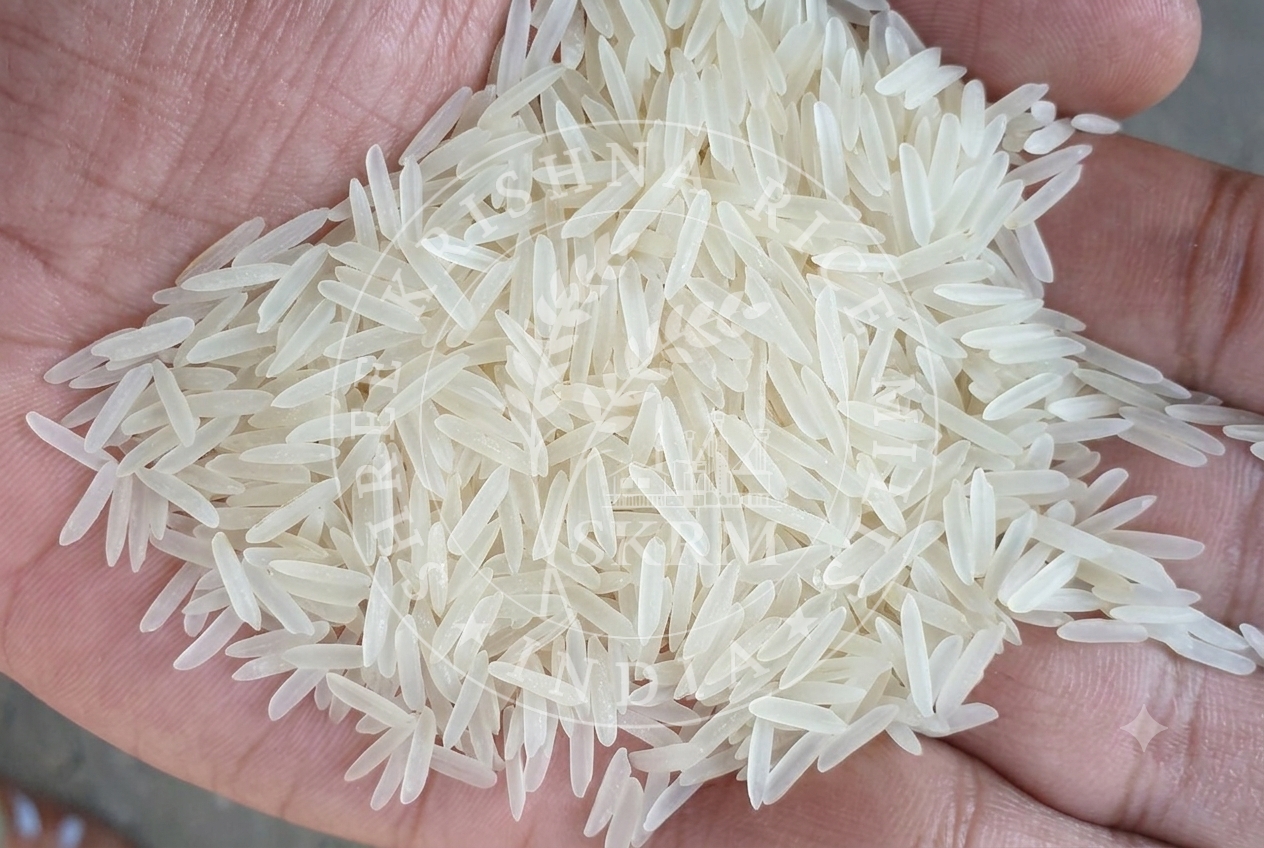
Paddy is soaked and steam treated before drying and milling. Parboiling moves nutrients into the grain and gives firm rice suited to bulk cooking and foodservice.
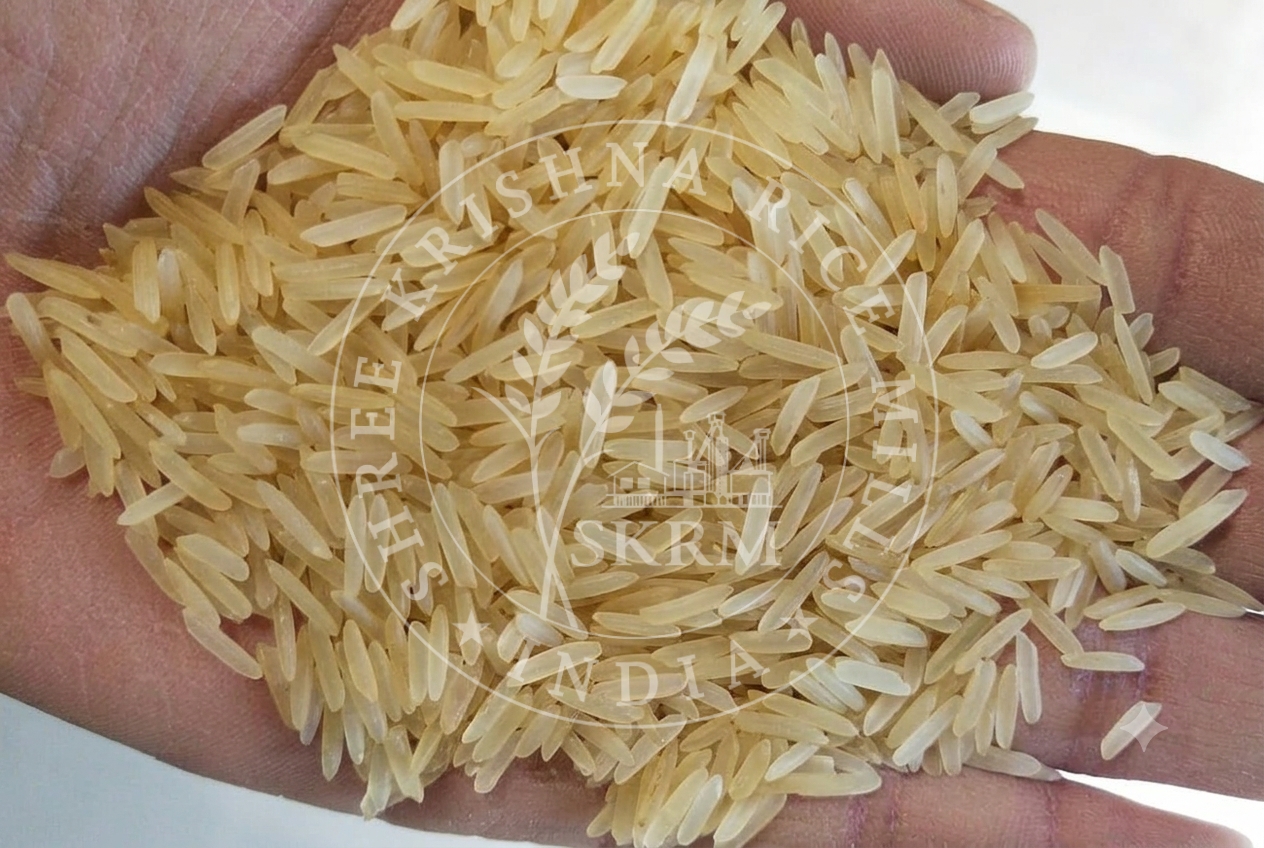
Controlled soaking and parboiling develop the characteristic golden colour. The finished grains are firm and suited to biryani, catering and dishes needing distinct grains.
Note: Processing parameters and final grain characteristics may vary according to rice variety, equipment and product specifications.
Our packing infrastructure supports both high-volume bulk cargo and buyer-branded private-label packaging formats.
High-durability woven polypropylene bags for standard bulk export shipments (10kg, 20kg, 25kg, 50kg).
Bulk & Wholesale StandardEco-friendly breathable fabric bags with zipper handles, popular in Middle East and European retail.
Premium Eco BagTraditional natural-fibre jute bags for breathable storage and premium export presentation.
Traditional Natural OptionBiaxially Oriented Polypropylene with photographic glossy print for high-end retail brands.
Retail Brand ChoiceMoisture-proof low- and high-density polyethylene pouches (1kg, 2kg, 5kg) designed for supermarket shelves.
Supermarket PouchesPrivate-label orders require seamless coordination across product selection, artwork, custom packaging, milling, and container dispatch.
Buyer selects rice variety (1121, Sugandha, Pusa), processing form (Steam, Sella), and grain length specs.
Custom printing artwork, bag dimensions, colour separations, and destination label approvals.
Planned milling schedule followed by automated filling, sealing, and batch code printing.
Pre-shipment inspection, container stuffing at plant, and port clearance documentation.